
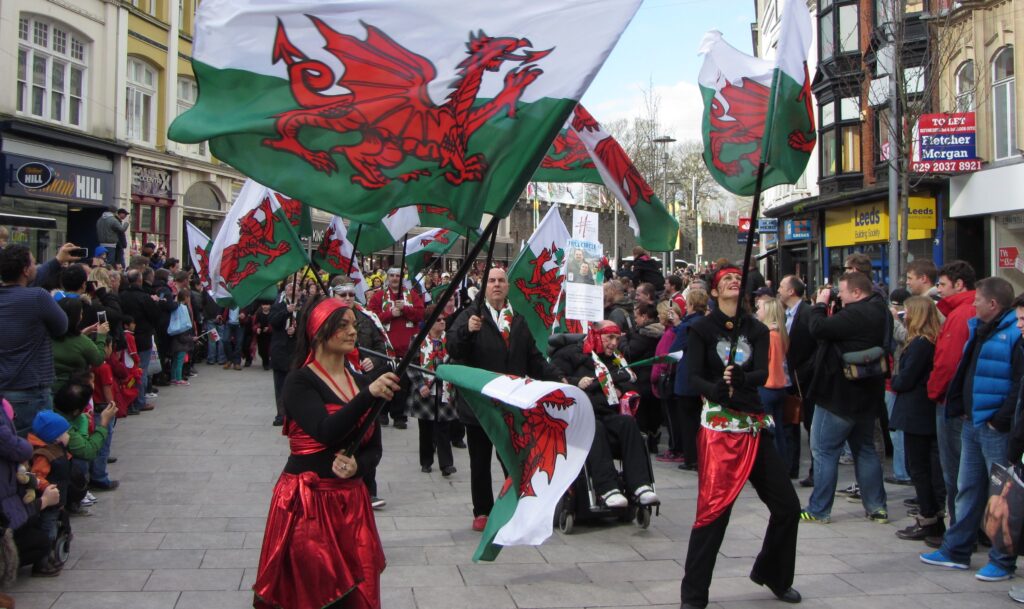
Every March 1st, Wales bursts into a vibrant celebration of culture, history, and pride known as St. David’s Day. Honoring the patron saint of Wales, this special day brings communities together, showcases Welsh traditions, and reminds everyone of the rich heritage that shapes the nation.
The Legacy of St. David
St. David, or Dewi Sant in Welsh, was a 6th-century monk and missionary who played a crucial role in spreading Christianity across Wales. Revered for his wisdom, humility, and dedication, he became the patron saint, with March 1st marking the anniversary of his death. His teachings emphasized simplicity, compassion, and a deep connection to the land—a philosophy that continues to influence Welsh culture today.
Traditional Celebrations Across Wales
From schoolchildren wearing daffodils and leeks to grand parades in cities like Cardiff and Swansea, St. David’s Day is a blend of community spirit and national pride. Folk music, poetry readings, and performances in the Welsh language bring history to life. In my experience attending the Cardiff parade, the streets were alive with flags, traditional costumes, and an infectious energy that made me feel part of something truly special.
Cultural Symbols and Significance
- Daffodil: The bright yellow flower symbolizes spring and renewal, making it a popular emblem for St. David’s Day.
- Leek: Traditionally worn in a hat or pinned to clothing, the leek represents courage and unity.
- Welsh Flag: The red dragon flying high reflects the enduring spirit of Wales.
These symbols are not just decorative—they carry centuries of meaning, connecting modern celebrations with the past.
Modern Traditions: How Wales Celebrates Today
Schools, offices, and local councils often organize themed events. For example, in Swansea, I witnessed a community fair where families participated in traditional dances, storytelling, and even cooking competitions featuring Welsh dishes like cawl, a hearty stew. These celebrations demonstrate how St. David’s Day remains relevant today, blending heritage with contemporary community life.
Comparing St. David’s Day With Other National Days
| Feature | St. David’s Day | St. Patrick’s Day (Ireland) | St. George’s Day (England) |
|---|---|---|---|
| Date | March 1 | March 17 | April 23 |
| Symbol | Daffodil & Leek | Shamrock | Red Cross |
| Popularity | Wales-focused, schools & communities | Global, especially in US & Ireland | Localized, limited celebrations |
| Cultural Activities | Parades, singing, traditional food | Parades, green attire, music | Flag displays, parades in some regions |
This comparison highlights how St. David’s Day is deeply rooted in community and educational settings, fostering cultural awareness among the youth, unlike some other national days that have more global commercialized celebrations.
Welsh Cuisine on St. David’s Day
Food plays a significant role in St. David’s Day. Traditional Welsh recipes include:
- Cawl: A comforting lamb and vegetable stew, perfect for chilly March days.
- Welsh Cakes: Soft, sweet pastries cooked on a griddle and dusted with sugar.
- Bara Brith: A speckled tea loaf infused with dried fruits and spices, often served with butter.
Sharing these dishes at school or family gatherings strengthens bonds and keeps the culinary heritage alive.
Why St. David’s Day Matters Today
Beyond parades and food, the day serves as a reminder of Welsh identity, language, and pride. Local communities use this day to teach children about traditions, language, and the importance of preserving culture. Businesses and media outlets often spotlight Welsh arts and music, providing a platform for emerging talent.
Unique Value Insight: Experiencing St. David’s Day is more than attending a parade—it’s immersing yourself in a living history where community, culture, and national pride intersect, offering a perspective on identity that few other national celebrations provide.
How to Celebrate St. David’s Day Anywhere
Even if you’re not in Wales, there are ways to honor the occasion:
- Wear a Daffodil or Leek: Show your support for Welsh heritage.
- Cook a Welsh Meal: Try making cawl or Welsh cakes at home.
- Learn a Welsh Song or Phrase: Boost cultural appreciation and language learning.
- Join a Virtual Event: Many Welsh communities broadcast parades and performances online.
By participating in these activities, you contribute to a global appreciation of Welsh traditions and history.
Read More: How to Choose the Best SEO Companies in Pittsburgh: A Complete 2026 Guide
Conclusion
St. David’s Day is more than a date on the calendar—it is a celebration of community, culture, and national identity. From vibrant parades and traditional dishes to symbols like the daffodil and leek, it reminds everyone of Wales’ unique heritage. Whether you’re attending in person or celebrating from afar, embracing St. David’s Day is an opportunity to connect with centuries of history and experience the warmth of Welsh culture.
FAQs
Q1: When is St. David’s Day celebrated?
A1: St. David’s Day is celebrated annually on March 1st, marking the death of Wales’ patron saint.
Q2: What are the traditional symbols of St. David’s Day?
A2: The daffodil, leek, and Welsh flag are the most recognized symbols, each carrying historical and cultural significance.
Q3: How do schools celebrate St. David’s Day?
A3: Schools often hold parades, performances, and lessons about Welsh history, language, and traditions.
Q4: Can you celebrate St. David’s Day outside Wales?
A4: Yes! Wearing symbols, cooking traditional meals, or joining virtual events allows global participation.
Q5: What makes St. David’s Day unique compared to other national days?
A5: Its strong emphasis on community, education, and cultural preservation makes it particularly meaningful beyond mere festivities.