
If you have an online store, your blog shouldn’t just be driving traffic—it should be helping convert it. A well-structured ecommerce blog can guide your readers from awareness to purchase, all without being pushy. In this guide, you’ll find out how to transform each post into a strategic sales message, intuitively planned for conversion.
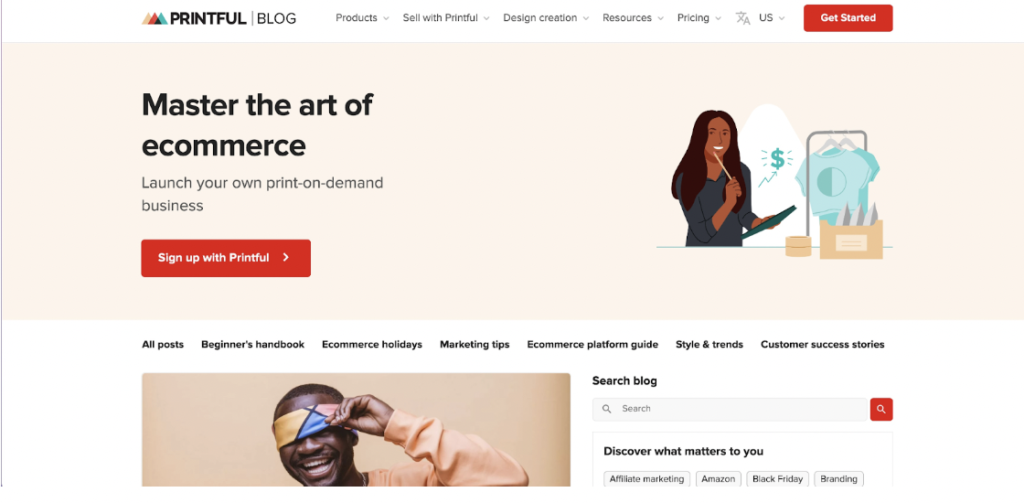
1. Start With a Conversion-Focused Layout
Your seo blog should be a destination where you take your readers from curiosity to action. A logical structure—the hook followed by value and a CTA—keeps them flowing without confusion.
Be sure to start with the fundamentals; begin with an excellent introduction that provides a benefit. You should divide your content into logical sections. Place calls to action (CTAs) where they are appropriate; approximately two to three per post seems to be the appropriate amount. Great structure limits bounce and encourages next actions.
2. Speak to Different Funnel Stages
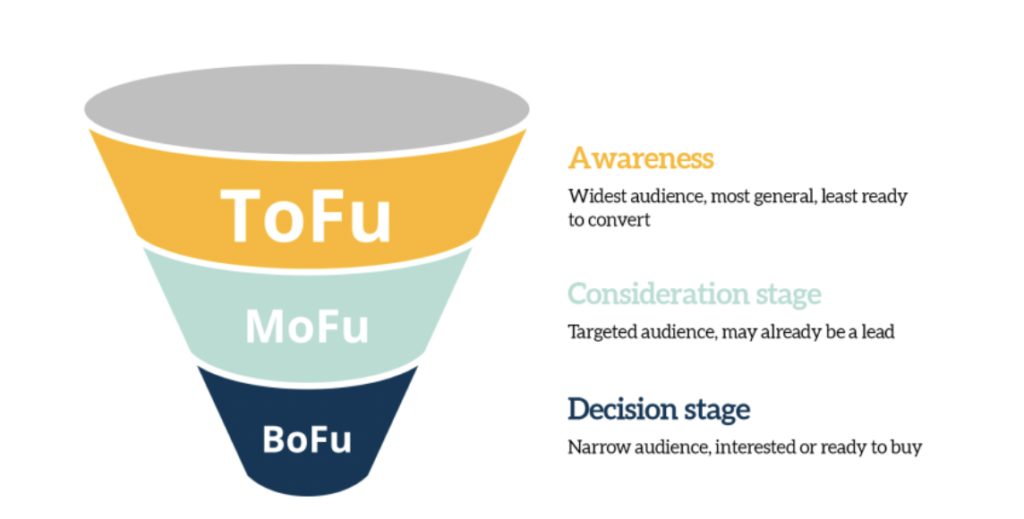
Your content should align with where your reader is in their buying process. When you structure your blog content to fit with the stages of this funnelled decision-making process, you will be developing trust at each stage. Here’s how to break it down:
- TOFU (Top-of-Funnel): Share how-tos, trends, or problem-solving content to attract and educate.
- MOFU (Middle-of-Funnel): Create comparison posts or buyer’s guides to build credibility.
- BOFU (Bottom-of-Funnel): Publish testimonials, FAQs, or product roundups to support conversions.
3. Use Headings and Bullets to Guide Attention
Because most people skim blogs before reading, it’s important to be clear about how a post is formatted. Please organize your thoughts into headings and promptly bullet point any takeaways.
Employ benefit-driven H2s every few hundred words and bold key details. Visual aspects like GIFs or product images can also keep engagement high while confidently directing attention where you want it to go.
4. Add Strategic Internal Links
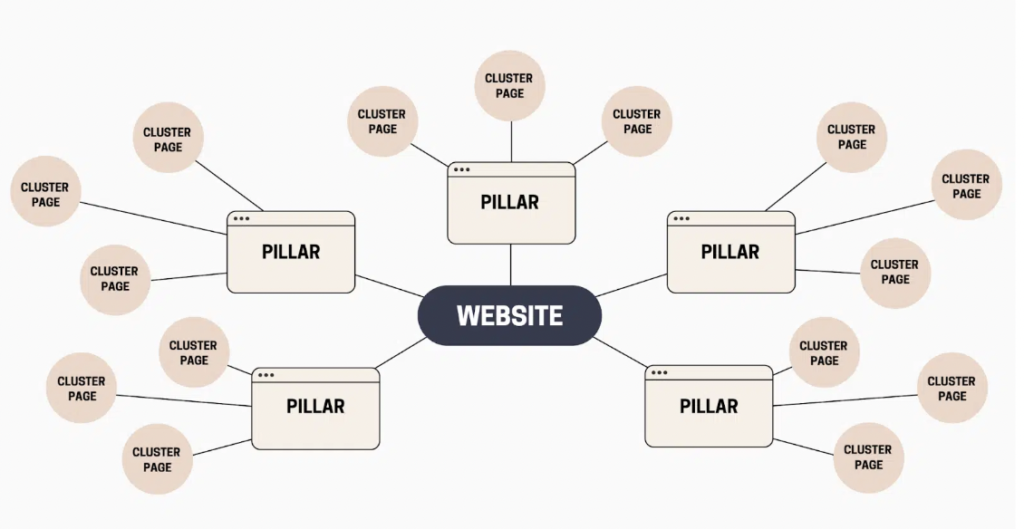
Internal linking serves two purposes: it not only bolsters SEO, but it also pulls your readers further into your site. Every link should be natural and nudge users towards the next action. Avoid packing the arrangement with irrelevant placements or upsetting it.
Links can guide readers to products, related blog posts, or even success stories. This little change inspires trust and keeps visitors on your site longer.
5. Insert Conversion Cues Without Being Pushy
Gentle prompts are more effective than angry calls to action. Rather than hard-selling, lead readers on by providing useful next steps in context. Here’s how to overcome it:
- Use “Ready to…” prompts after tips to inspire action.
- Mention benefits like access to guides, signups, or free tools.
- Include contextual CTAs, such as “See how it works” or “Explore features.”
- Add an exit CTA at the end of every blog post.

6. Reuse High-Performing Blog Content
Reusing content saves time and extends reach. Rather than creating from scratch, redo your best blog posts in new formats that are consistent with how your audience likes to consume information.
You might recast how-tos as carousels or short videos, listicles as email tips, and blogs into a download-and-leave guide.
If you get busy and need help, iWritingSolutions can quickly transform posts into the hot format that also converts. This takes your hands off work so you can focus on building your business!
Let Your Blog Do the Selling
Given the right structure, your blog can do more than act as a content hub—it can be used to facilitate product discovery and trust-building to drive conversions. Whether you’re starting from scratch or optimizing old posts, follow the steps below to make your blog work harder for your brand.
In need of e-commerce blogs that are keyword-SEO rich? Leave the strategy and writing to iWritingSolutions, and you can fast forward to success.