
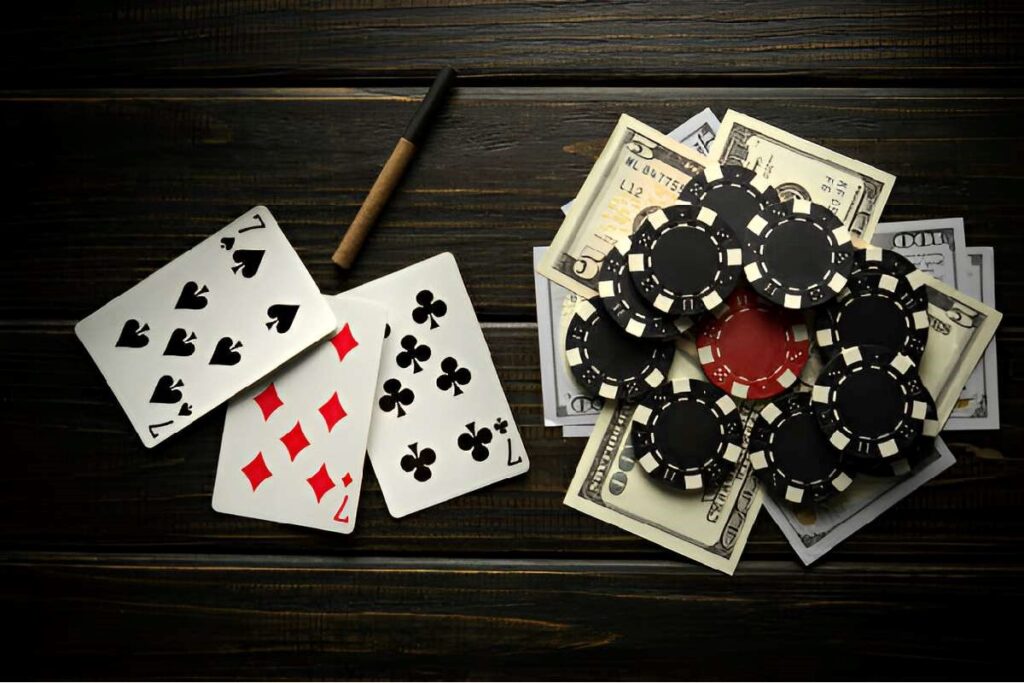
If you’ve stumbled across the term “qilszoxpuz7.4.0.8 bankroll game”, you’re not alone. It sounds like a mix of a software version code and a gaming term — and that’s essentially what it is. This phrase typically refers to a bankroll-based gaming or betting system associated with a specific digital platform, mod, or game build version labeled 7.4.0.8. Instead of being a single traditional game, it’s better understood as a structured approach to managing in-game funds or betting credits within a digital gambling-style or risk–reward environment.
Let’s break it down in a way that actually makes sense.
Understanding the “Bankroll Game” Concept
At its core, a bankroll game is not about flashy graphics or storylines. It’s about money management inside a game environment. Your “bankroll” is the total amount of virtual (or sometimes real) funds you have set aside to play.
In systems like the qilszoxpuz7.4.0.8 setup, gameplay revolves around:
- Allocating a starting balance
- Deciding stake sizes per round
- Applying risk strategies
- Extending playtime while minimizing rapid loss
This transforms gaming from pure luck into a blend of probability awareness, discipline, and strategy.
I once tried a bankroll-based system in an online card simulator, and I was surprised how quickly reckless bet sizing drained my credits compared to a structured approach.
What Makes Version 7.4.0.8 Important?
The 7.4.0.8 part usually signals a software build or update iteration. In gaming communities, version numbers often mean:
| Version Element | What It Usually Indicates |
|---|---|
| Major version (7) | Core system structure |
| Minor update (4) | Feature improvements |
| Patch level (0) | Stability or balancing tweaks |
| Build number (8) | Small adjustments or bug fixes |
In practical terms, this suggests the platform using this structure likely improved:
- Risk calculation systems
- Payout balancing
- Game fairness algorithms
- Interface or tracking tools
So, this isn’t just a random name — it signals a refined iteration of a bankroll-driven gameplay model.
How a Bankroll System Works in Gameplay
Think of it like this: instead of jumping into rounds blindly, players operate like budget managers.
Step-by-step flow:
- Set a Starting Bankroll
Example: 1,000 credits. - Choose a Bet Percentage
Many structured systems suggest 1–5% per round. - Adjust Based on Outcomes
Win → Slight increase
Loss → Reduce or hold - Track Performance
Good systems include tracking dashboards. - Stop-Loss & Win Limits
Prevent emotional decisions.
Applied Example of Structured Gameplay
Imagine someone playing a digital roulette-style game tied to this structure. Player A throws 200 credits per spin randomly. Player B uses a 2% rule from a 1,000-credit base — only 20 per spin.
After ten bad rounds, Player A is nearly broke. Player B still has most of their funds left, giving them more chances to recover. Over time, controlled exposure beats emotional betting.
That’s the psychological backbone of bankroll gameplay.
Why This System Attracts Players
This type of system appeals to people who like:
- Calculated risk instead of pure chance
- Longer gameplay sessions
- Statistical thinking
- Tracking progress over time
It gives the illusion — and sometimes the reality — of control within randomness.
Comparison: Casual Play vs Bankroll Strategy
| Factor | Casual Play | Structured Bankroll Play |
|---|---|---|
| Bet Size | Random | Percentage-based |
| Risk Level | High | Controlled |
| Session Length | Short | Extended |
| Emotional Influence | Strong | Reduced |
| Sustainability | Low | Higher |
The difference is subtle at first but dramatic over longer sessions.
Is It Skill or Luck?
It’s both — but in different ways.
- Luck determines short-term outcomes.
- Strategy determines how long you survive and whether you capitalize on winning streaks.
You’re not changing probability, but you’re managing exposure to volatility, which is where long-term results shift.
Potential Benefits
People exploring this system often report:
- Better discipline
- Fewer impulsive decisions
- More consistent session experiences
- Improved understanding of risk
It quietly teaches financial-style thinking in a game setting — budgeting, allocation, and loss control — skills that apply outside gaming too.
Things to Watch Out For
Even structured systems can’t remove risk.
- Loss streaks still happen
- Overconfidence can break rules
- Increasing bet size to recover losses is dangerous
The system works only when rules are respected.
Why It’s Gaining Attention
Terms like this trend because players want smarter ways to engage with risk-based games. Instead of chasing luck, they’re looking for frameworks that stretch value and reduce volatility shocks.
The version-tagged naming style also suggests an evolving system, which builds curiosity and trust in gaming circles.
Read More:Best Cold Calling Software for Sales Teams: A Complete Breakdown
Conclusion
The qilszoxpuz7.4.0.8 bankroll game concept represents more than a game — it’s a structured way to manage funds in risk-driven digital environments. By combining discipline, percentage-based staking, and tracking tools, players shift from emotional play to calculated participation. While luck always plays a role, proper bankroll strategy can significantly extend sessions and reduce rapid losses.
It’s not a magic formula, but it transforms chaotic play into a controlled experience — and that’s why it continues to draw interest.
FAQs
1. Is qilszoxpuz7.4.0.8 a specific game title?
Not exactly. It’s more likely a version-labeled system or platform update tied to bankroll-based gameplay mechanics.
2. Does bankroll management guarantee profit?
No. It reduces risk exposure but cannot eliminate losses.
3. Is this system used only in gambling games?
Mostly in betting-style or probability-based games, but similar principles appear in trading simulations and competitive gaming economies.
4. What is the safest bet percentage?
Many conservative approaches suggest 1–2% of total funds per round.
5. Why do version numbers matter?
They signal system updates, refinements, and balancing changes.